Late payments: a step-by-step guide to getting paid
The quickest way to get paid on a late invoice is a steady, escalating routine: a prompt reminder, a phone call, a formal notice adding interest where you’re entitled to it, a demand letter with a deadline, and then action. Most late invoices get paid at the first or second step. The ones that don’t usually need a clear consequence, applied when you said you’d apply it.
Most of the work happens before the invoice is late
The contract you sign at the start decides how strong your hand is at the end. A few things make late payment far easier to handle:
- Clear payment terms, such as “net 30 from invoice date,” not “payment on completion”
- A late payment interest clause with a stated rate
- A right to pause work if invoices stay unpaid past a set point
- A deposit, retainer or milestone payments so you’re never too far out of pocket
- The right contact: the name and email of whoever actually processes invoices, plus any purchase order number they need
The invoice itself should be complete. A missing PO number or the wrong company name gives an accounts team a reason to set your invoice aside for another month. The invoice generator covers the essentials.
The escalation plan
Here’s the sequence we’d suggest for most small businesses. Stretch or shrink the timing to suit the relationship and the amount.
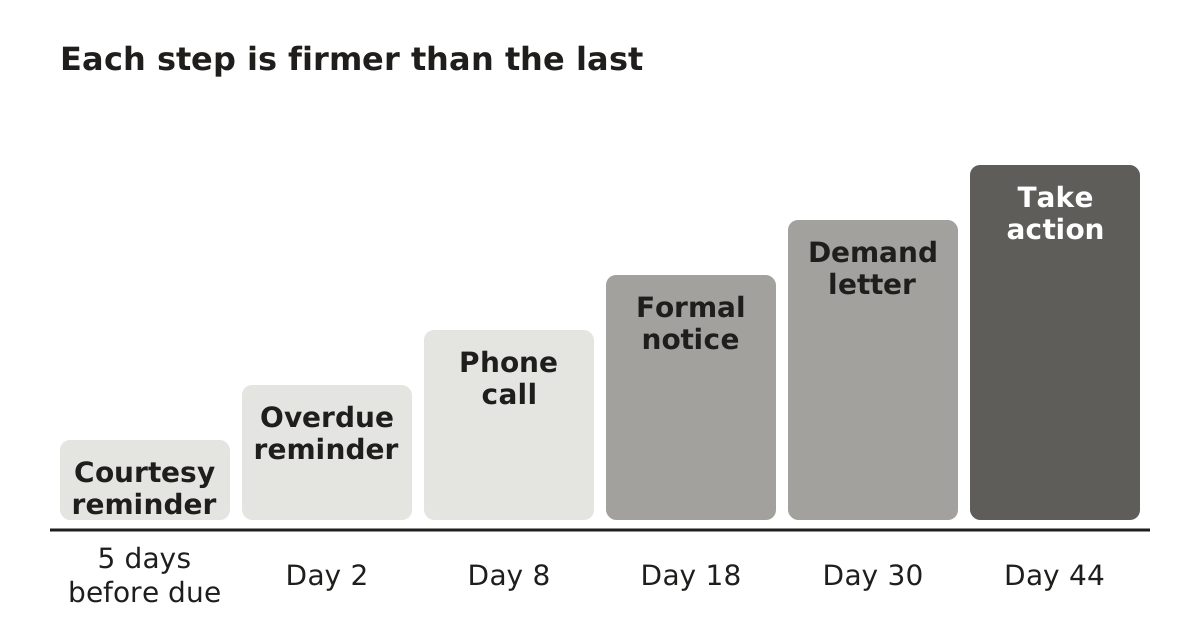
A reminder, before and just after the due date
A courtesy note a few days before the due date catches a lot of problems early. If the date passes, keep the first overdue reminder short and assume good faith: “Just checking invoice 2217 for $6,400, due April 30, reached you. I’ve attached it again.” Plenty of late payments come down to lost emails and slow approvals rather than bad intent.
Pick up the phone
When email gets you nowhere, call. Ask specific questions. Has it been approved? Is anything missing? When’s the next payment run? Get a date, then confirm it in writing: “Thanks for the call. As discussed, invoice 2217 will go out in your May 15 run.”
A formal notice
Once a promised date slips, change the tone. Cite the payment clause, state the amount and how many days late it is, and say that interest is accruing if you’re entitled to it. Copying in someone more senior often helps.
The demand letter
A formal demand sets out the agreement, what you delivered, the amount due with interest broken down, a final deadline (usually 7 to 14 days for a business debt), and what you’ll do if it’s missed. The payment demand letter template gives you the structure. If the customer is an individual or a sole trader, check local pre-action rules first, since they can require more detail and a longer response time.
Action
When the deadline passes with nothing paid, do what you said you’d do. The options are below.
Can you charge interest?
It depends on your contract and where you are.
United Kingdom
Under the UK’s late payment legislation, a business can claim statutory interest on late business-to-business debts at 8 percentage points above the Bank of England base rate, plus fixed compensation of £40, £70 or £100 depending on the size of the debt, as of 2025. It applies unless the contract already provides a substantial remedy for late payment. On a £6,400 invoice, for instance, the fixed compensation is £70 on top of the interest.
European Union
The EU Late Payment Directive requires member states to allow interest on late business-to-business payments of at least 8 percentage points above the European Central Bank reference rate, plus at least €40 in recovery costs. It also caps business-to-business payment terms at 60 days unless expressly agreed and not grossly unfair to the supplier. Each country builds this into its own law, sometimes with stricter rules.
United States
There’s no general federal late payment law for private business invoices. Interest usually comes down to what the contract says, within state usury and consumer protection limits. Without a clause, you may still get prejudgment interest at the state’s statutory rate if you go to court, but that rate varies. Some states and cities, New York among them, now have specific payment protections for freelancers, and many states have prompt payment laws for construction and government work.
Canada, Australia and the UAE
Here the answer mostly depends on the contract, plus some sector rules such as the construction prompt payment regimes in several Canadian provinces and Australian states. If you want interest, the safest approach anywhere is a clear rate in the contract. The late payment interest calculator works out the amount for a given rate and period.
When they still don’t pay
- Pause work. If the contract gives you the right, send written notice and stop. Without that right, stopping can put you in breach, so check first. Some sectors, UK construction for one, have a statutory right to suspend for non-payment after notice.
- Agree a payment plan. A signed plan with specific dates, and a term that the whole balance becomes due if an installment is missed, often beats a lawsuit.
- Use a collection agency. They usually take a percentage of what they recover. Pick a reputable one, because their conduct reflects on you.
- Try mediation if the customer disputes part of the bill. A mediator can often broker a deal in an afternoon.
- Go to small claims court for amounts under the local limit.
- Bring formal proceedings or arbitration for larger sums, or where your contract has an arbitration clause.
In some countries an undisputed debt above a threshold can support a winding-up petition or similar insolvency step. That’s a serious move with real consequences, so take legal advice before you go near it.
“We’re disputing the invoice”
Sometimes the holdup is a genuine complaint about the work. Ask for it in writing and in specific terms. If it relates to one part of the invoice, ask them to pay the undisputed amount now while you sort out the rest. If your contract has a set-off clause, check whether it allows deductions or rules them out.
Be skeptical of vague complaints that surface only after you start chasing. Evidence that the work was accepted, used or signed off is usually the answer to those.
Don’t let the debt go stale
Unpaid invoices don’t stay collectable forever. Limitation periods for debt claims typically start when payment falls due. In England and Wales, a written acknowledgment or part payment generally restarts the clock, so an email from the customer saying “we know we owe you” is worth filing somewhere safe.
This week’s to-do list
- List every invoice more than seven days overdue and put each one at a step in the plan above.
- Check each contract for payment terms, interest and suspension rights. LegalWolf can pull those clauses out of a contract in minutes.
- Update your standard terms for new work: clear payment terms, an interest clause, deposits and a right to pause.
- When the money does land, put aside what you’ll owe in tax. The tax set-aside calculator helps with that.
This article is general information, not legal or tax advice. Laws differ between countries and states and change over time, so check the rules that apply to you or speak to a qualified professional.