How to negotiate a contract (and when to call a lawyer)
Decide in advance which few terms really matter, send specific replacement wording instead of objections, give a one-sentence reason for each change, and trade concessions instead of handing them out. Most contracts are far more negotiable than they look. Bring in a lawyer when a bad outcome would cost more than you can absorb, when the terms are unusual or badly one-sided, or when the contract runs under a law you don’t know.
Decide what you want before you open the draft
The biggest mistake is starting without priorities. Send back 40 comments of equal weight and the other side will happily accept the easy ones and refuse the three you actually care about.
Read the whole contract first. Then sort every issue into one of three piles.
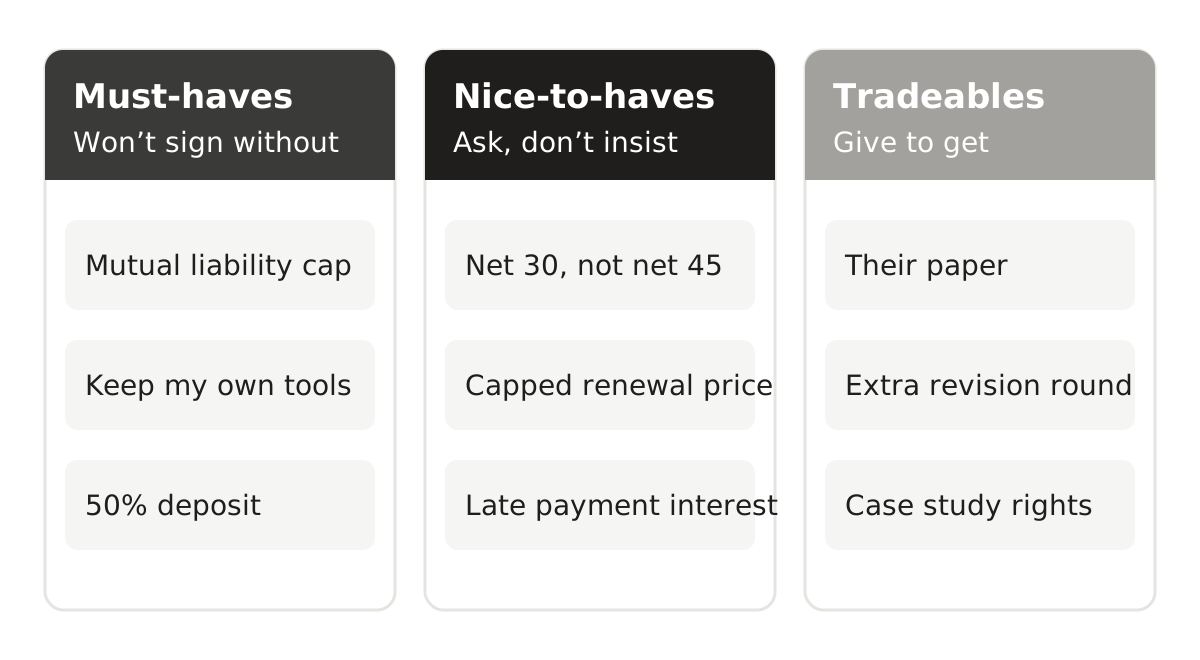
- Must-haves. Terms you won’t sign without, such as a mutual liability cap or keeping your pre-existing IP.
- Nice-to-haves. Improvements you’d like but can live without, such as net 30 instead of net 45.
- Tradeables. Things you’re happy to give up to win something else.
Then think honestly about bargaining power. Are they the only client who can pay your rates, or are you the only supplier who can hit their deadline? Power decides how much you can ask for, and it’s usually more balanced than it feels when a big company’s template lands in your inbox.
What usually moves, and what usually doesn’t
Almost anything can be negotiated in theory. In practice some terms move easily and others hardly move at all, and a lot depends on who you’re dealing with. A huge software vendor’s online terms are close to fixed for a ten-person company. A mid-sized client’s services agreement usually has plenty of give.
| Term | How often it moves | Common middle ground |
|---|---|---|
| Payment terms | Often | Net 30, or a deposit on bigger jobs |
| Liability cap | Often | Mutual cap at 12 months’ fees, with a floor |
| Indemnities | Often | Mutual, third-party claims only, based on fault |
| IP ownership | Sometimes | Client owns deliverables; you keep your tools and license them |
| Termination | Sometimes | Either side can leave on 30 days’ notice |
| Governing law | Less often | The defendant’s home law, or a neutral one |
| Price | Depends on the market | Traded against volume, term length or faster payment |
Timing matters as much as the term itself. You have the most room before work starts and before the other side has told its boss the deal is done. Once you’re delivering, every request looks like a renegotiation, so raise your points early, even if it feels a bit premature.
How to ask for changes
Send wording, not objections
“We can’t accept Section 9” starts a standoff. “In Section 9, please replace ‘arising out of or relating to’ with ‘to the extent caused by’ and make the clause mutual” gives them something they can approve in a minute. Specific redlines move faster than general complaints, every time.
Give one sentence of reasoning
That’s plenty: “Our insurance doesn’t cover uncapped contractual liability, so we need a cap.” Reasons rooted in insurance, cash flow, or how other clients handle the same point work well because they aren’t personal.
Use tracked changes, and compare the final version
Send edits as tracked changes with a short comment on anything substantive, and accept the other side’s edits you’re fine with so the open points stand out. Before signing, compare the final document with the last version you agreed, because edits do go missing between rounds. The compare text tool shows every difference, tracked or not.
Trading and closing
Priya, a marketing consultant in Sydney, wanted a 50% deposit and a mutual cap from a client that wanted net 60 and its own paper. She put everything on the table at once, agreed to net 45 and their template, and got the deposit and the cap. Nobody felt beaten. A few habits make that kind of outcome more likely:
- Negotiate the package, not clause by clause. Raise all your points together so you can trade: “We’ll take your payment terms if you’ll accept the mutual cap.”
- Don’t negotiate against yourself. Once you’ve made a proposal, wait for an answer before softening it.
- Lead with what matters most. Patience and goodwill run lower later on.
- Treat “this is our standard” as an opening line. Ask where they have flexibility on your top two issues.
- Get it in the contract. A promise made on a call probably won’t survive an entire agreement clause.
LegalWolf can highlight risky clauses and suggest alternative wording, which gives you a head start on your redlines.
When to call a lawyer
Plenty of small contracts can be handled without one if you read carefully and know your priorities. Honestly, paying a lawyer to review a $3,000 one-off job on a fair template is usually money you don’t need to spend. Here’s a quick way to decide.
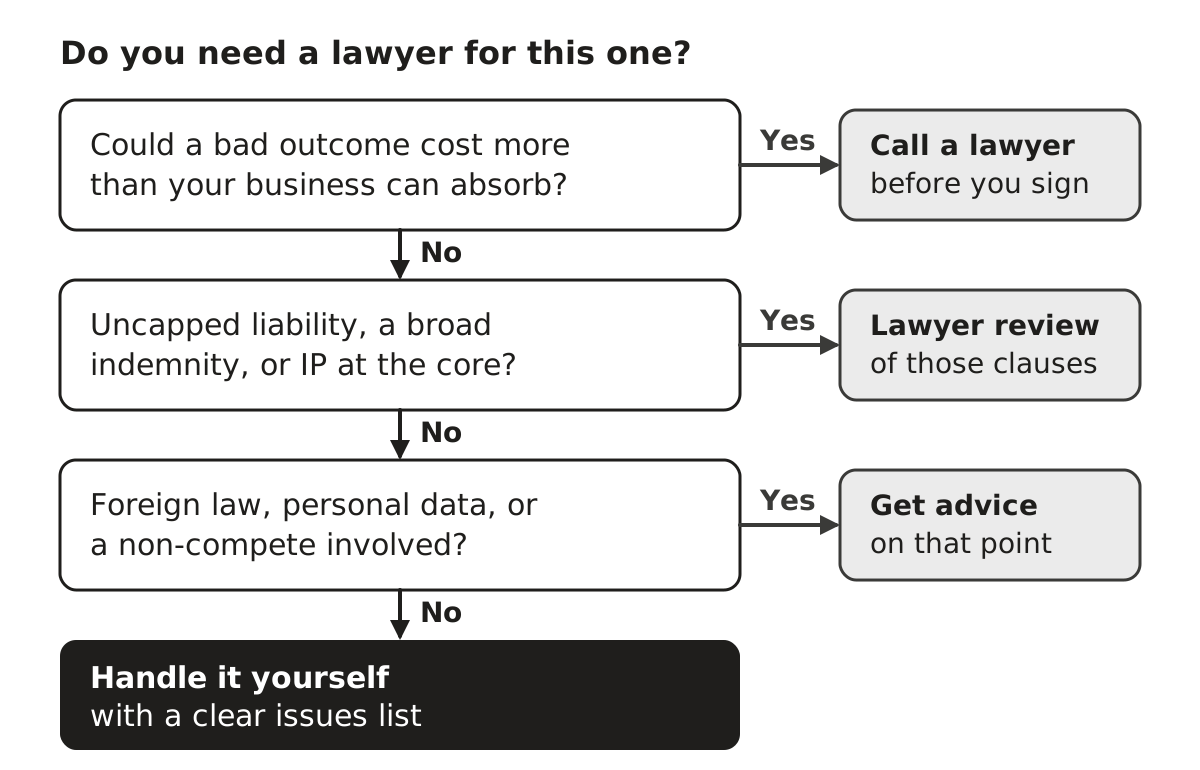
Other situations where advice pays for itself: leases, loans, investments and acquisitions; employment contracts for senior hires; anything with a non-compete or exclusivity clause; deals where the other side has lawyers pushing hard; and any contract where a dispute is already brewing.
Keeping the bill down
- Ask for a fixed fee for the review, or a capped estimate
- Send your issues list and priorities along with the contract
- Tell the lawyer what the deal is worth and what you can’t accept
- Ask for a short issues memo with suggested redlines, not a full rewrite
- Handle the business points yourself and use the lawyer for the legal ones
Most lawyers will send an engagement letter and may ask for a retainer up front. Read it so you know what’s covered and how you’ll be billed.
After you’ve agreed
Check that every agreed change made it into the final document, and that exhibits, order forms and SOWs match. Sign in a way both sides accept and keep a complete signed copy. Put renewal deadlines, notice periods and milestones in the calendar, and brief whoever will run the relationship day to day on what was actually agreed. Next time, write your must-haves down before you even open the draft.
This article is general information, not legal or tax advice. Laws differ between countries and states and change over time, so check the rules that apply to you or speak to a qualified professional.