The $50,000 Mistake: Why Every Startup Needs an Operating Agreement

I'll never forget the day Marcus walked into my friend's law office. He looked exhausted. His tech startup had just imploded—not because the product failed, but because his two co-founders couldn't agree on who owned what. They'd been running the business for two years without an operating agreement. The legal battle that followed cost them over $50,000 and ultimately killed the company.
This happens more often than you'd think.
What Exactly Is an Operating Agreement?
An operating agreement is basically the rulebook for your LLC. It spells out who owns what, who does what, and what happens when things go wrong (because eventually, something will).
Think of it like a prenup for business partners. Nobody wants to think about breaking up when they're excited about starting something new, but that's exactly when you need to have these conversations.
Why "We Trust Each Other" Isn't Good Enough
I get it. You and your co-founder are best friends. You've known each other since college. You finish each other's sentences. Why would you need a formal agreement?
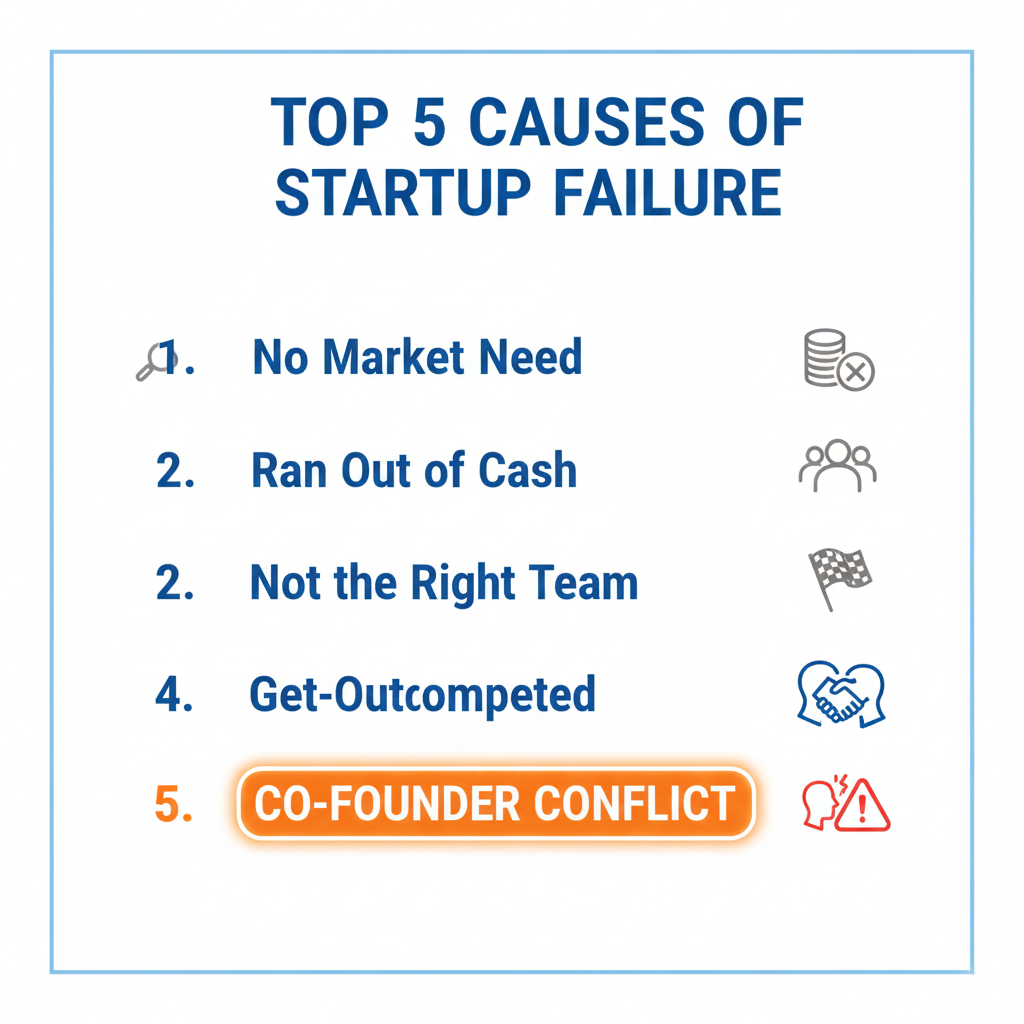
Here's the reality: 65% of startups fail because of co-founder conflict, not market problems or funding issues. And most of these conflicts stem from unclear expectations about:
Ownership splits - Is it really 50/50, or did one person contribute more capital?
Decision-making - Who has final say on major decisions?
Time commitment - What happens if one founder wants to work part-time?
Exit scenarios - What if someone wants out in year two?
What Should Be in Your Operating Agreement?
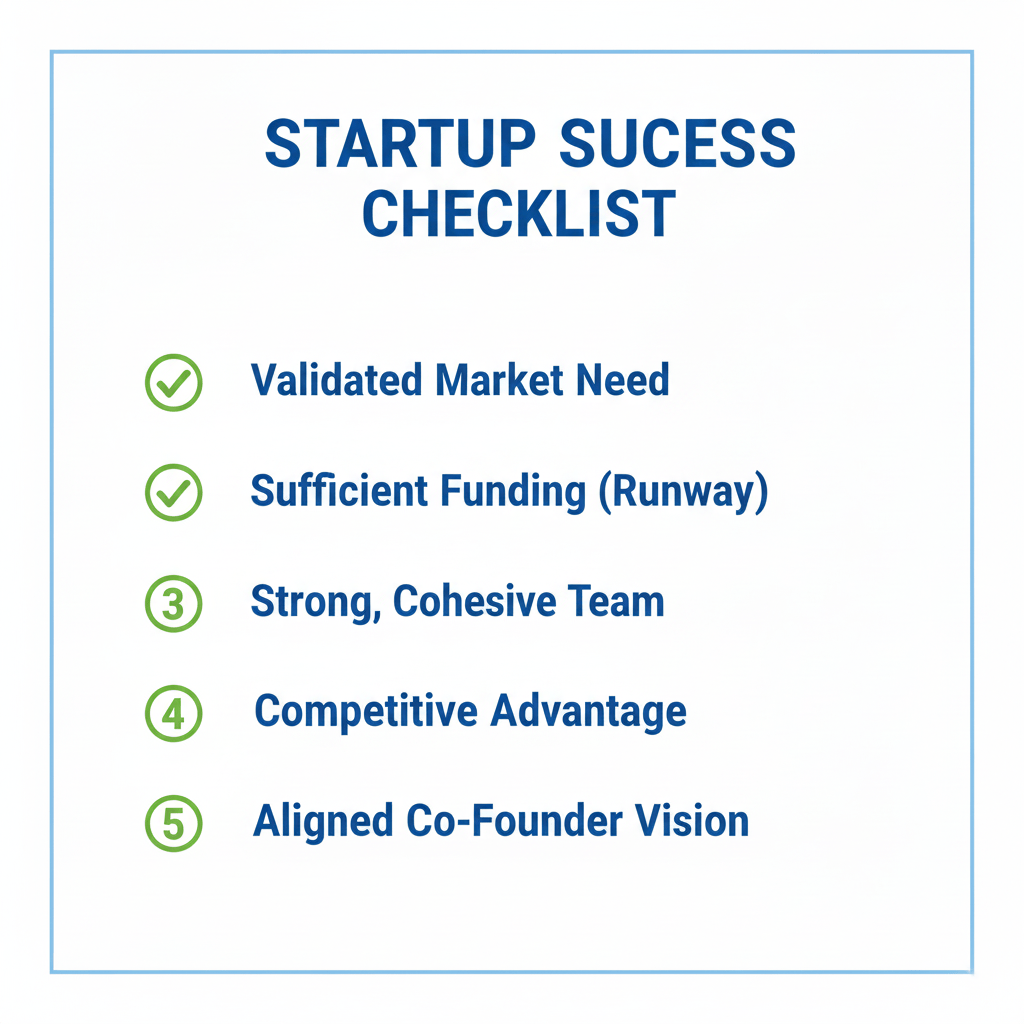
At minimum, your operating agreement should cover:
1. Ownership Percentages Not just who owns what percentage, but how that was determined. Did someone contribute more money? More time? Intellectual property? Write it down.
2. Capital Contributions What happens if the business needs more money? Is everyone required to contribute proportionally? What if someone can't?
3. Profit Distribution Just because someone owns 40% doesn't always mean they get 40% of profits. Some agreements separate ownership from profit sharing. Make your intentions clear.
4. Management Structure Who's the CEO? Who can sign contracts? What decisions require unanimous approval versus simple majority?
5. Buy-Sell Provisions This is the big one that Marcus's company missed. What happens if:
A founder wants to leave?
A founder dies or becomes disabled?
A founder gets divorced?
A founder isn't pulling their weight?
Without these provisions, you could end up in business with your co-founder's ex-spouse. Yes, that actually happens.
The "Founder Vesting" Clause That Saved a Company
Here's a story with a happier ending. Sarah and two partners started a marketing agency. They were smart enough to include a founder vesting clause in their operating agreement.
Founder vesting means that even though you "own" your shares on paper, you earn them over time—usually four years. If you leave early, you forfeit unvested shares.
Six months in, one of Sarah's partners got a job offer he couldn't refuse and bailed. Because of the vesting clause, he left with only 12.5% of his shares (6 months out of 48 months = 12.5% vested). The remaining shares went back to the company.
Without that clause? He would have walked away with 33% ownership despite contributing almost nothing. Sarah's company would have been dead before it started.
State Default Rules: Why You Can't Just "Wing It"
Some people think, "We'll just follow whatever the state says." Bad idea.
If you don't create your own operating agreement, your state's default LLC rules apply. And trust me, those default rules were written by legislators, not entrepreneurs. They're designed to be one-size-fits-all, which means they fit nobody well.
For example, in many states, the default rule is:
All members have equal say regardless of ownership percentage
Profits must be distributed according to ownership percentage
Any member can force the dissolution of the company
Is that really what you want?

How Much Does This Actually Cost?
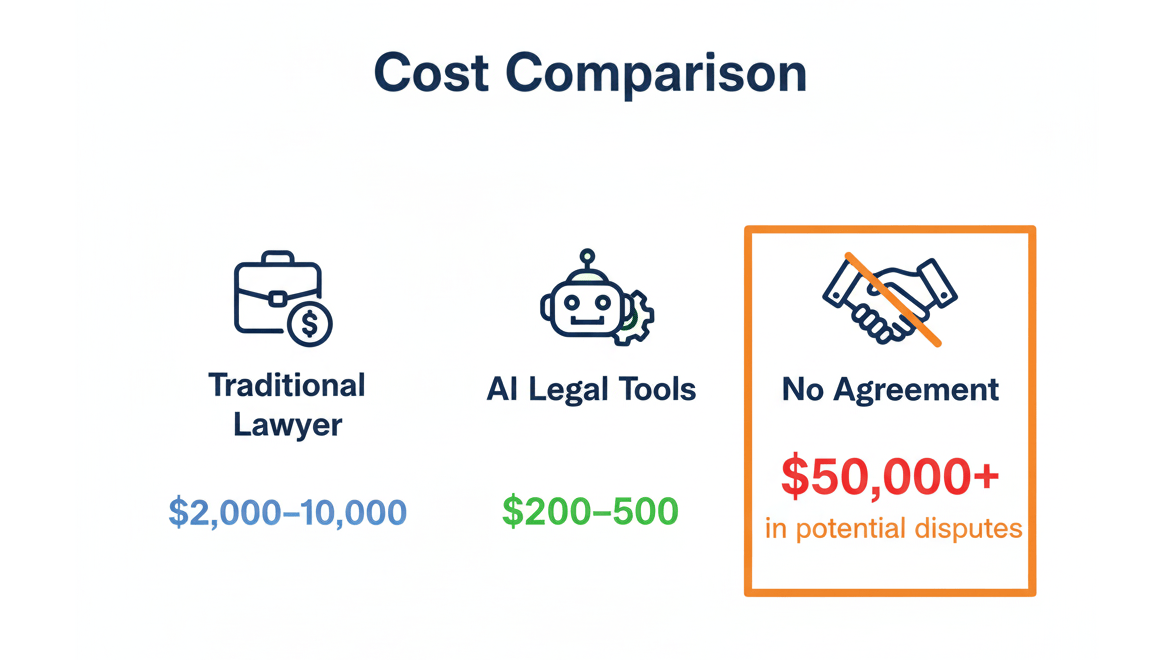
Here's where people usually get scared. They Google "operating agreement lawyer" and see quotes ranging from $2,000 to $10,000+.
That seems expensive until you compare it to:
Marcus's $50,000 legal battle (plus a dead company)
The average cost of business litigation ($3,000 to $150,000)
The emotional toll of fighting with people you once trusted
But here's the thing: in 2025, you don't have to spend $5,000 on a lawyer for a basic operating agreement. AI-powered legal tools can generate customized, state-specific operating agreements for a fraction of that cost.
The One Thing You Should Still Pay a Lawyer For
Even if you use an AI tool or template for your basic operating agreement, consider paying a lawyer for one hour to review it—especially if:
You have complex IP ownership issues
There's unequal capital contribution
You're in a highly regulated industry
You have more than three co-founders
That one-hour review (usually $300-$500) can catch issues that might cost you thousands later.
Red Flags: When Your Operating Agreement Needs Work
Review your operating agreement if:
It's more than 3 years old and your business has changed significantly
You've added or lost members
Your initial assumptions about roles have changed
You're about to raise outside funding (investors will want to see it)
You've never actually read it (be honest)
The Bottom Line
An operating agreement isn't the most exciting part of starting a business. Nobody dreams about legal documents when they're building something new.
But here's what I've learned from watching too many startups implode: the boring paperwork isn't what kills your dreams. Fighting about the boring paperwork is.
Spend a few hundred dollars and a weekend getting your operating agreement right. Your future self will thank you.
And if you're thinking, "We'll get to it eventually" Marcus thought that too.

Quick Action Steps:
Schedule a meeting with your co-founders this week
Discuss the 5 key components above
Use an AI legal tool or hire a lawyer to draft your agreement
Actually read it (all of it)
Sign it and keep copies somewhere you won't lose them
Don't be Marcus. Get your operating agreement done.